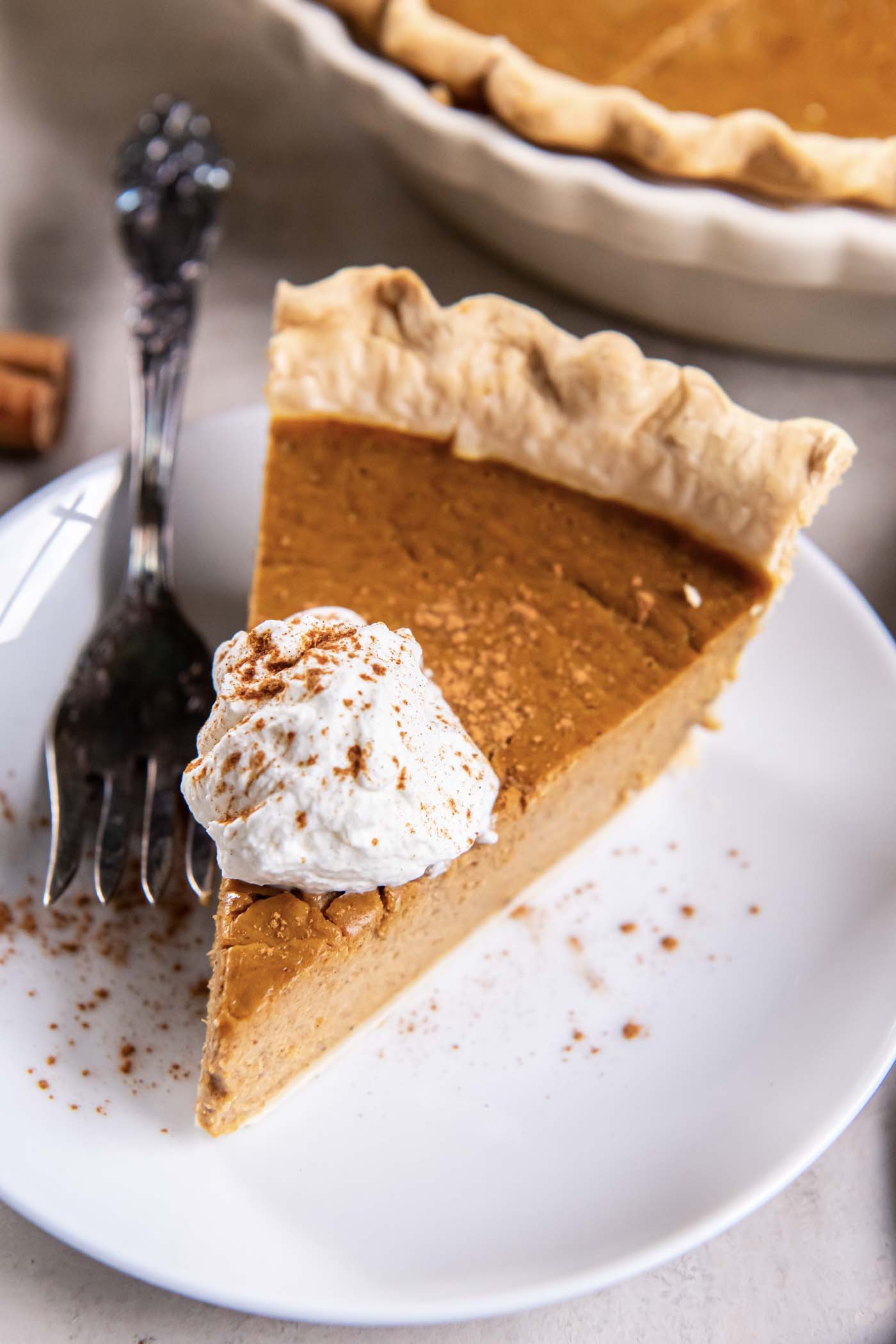
The Ultimate Guide to Perfecting Your Pumpkin Pie Recipe
There's something inherently comforting and festive about a classic pumpkin pie. Its creamy, spiced filling nestled in a flaky crust is a staple of fall gatherings and holiday tables. While a basic pumpkin pie recipe - Article 1 might get you started, and our pumpkin pie recipe - Article 2 offers excellent tips for making it your own, achieving that truly *perfect* slice – the one with the ideal texture, balanced spice, and no dreaded soggy bottom – often requires a deeper dive into technique and a few insider secrets. This article, our third in the series, aims to elevate your pumpkin pie game, turning a good pie into an unforgettable one by focusing on mastery, troubleshooting, and innovative twists.
Crafting the Flawless Pumpkin Pie Filling
The heart of any pumpkin pie recipe is its filling. It's where the magic of sweet pumpkin, aromatic spices, and creamy dairy combine to create that signature, irresistible flavor. Getting the filling just right involves attention to detail, from ingredient selection to the final bake.
Choosing Your Pumpkin Base: Canned vs. Fresh
- Canned Pumpkin Purée: For most home bakers, high-quality canned pumpkin purée (not pumpkin pie filling!) is the go-to. It's convenient, consistent, and delivers excellent results. Look for brands with a smooth texture and vibrant orange color.
- Fresh Roasted Pumpkin: If you're feeling ambitious, making your own pumpkin purée from scratch can add an extra layer of freshness and flavor. Sugar pumpkins or pie pumpkins are ideal, offering less water content and sweeter flesh than carving pumpkins. Roast halved pumpkins until tender, scoop out the flesh, and purée until smooth. Be sure to drain any excess liquid thoroughly to prevent a watery filling. This step is crucial for any homemade pumpkin pie recipe using fresh pumpkin.
The Art of Spice Blending
While pre-mixed pumpkin pie spice is convenient, crafting your own blend allows for customization and a fresher, more potent aroma. A classic pumpkin pie recipe relies on:
- Cinnamon: The dominant note, providing warmth and sweetness.
- Nutmeg: Earthy and pungent, use freshly grated for maximum impact.
- Ginger: Adds a peppery, zesty kick.
- Cloves: Intense and aromatic, use sparingly to avoid overpowering.
For an elevated spice profile, consider adding a pinch of allspice (warm, sweet, and woody), a tiny bit of cardamom (citrusy and floral), or even a hint of mace (a milder, sweeter version of nutmeg). Pro Tip: Toast whole spices lightly in a dry pan before grinding them for an even more aromatic and complex flavor in your homemade pumpkin pie recipe.
Achieving the Ideal Custard Texture
The perfect pumpkin pie filling should be silky, creamy, and set without being rubbery or crumbly. Here’s how to nail it:
- Eggs: Eggs are the primary setting agent. Use large eggs and avoid over-beating the mixture, which can incorporate too much air, leading to cracks during baking. Gently whisk until just combined.
- Dairy Choices:
- Evaporated Milk: A traditional choice that provides richness without adding too much liquid, contributing to a dense, creamy texture.
- Heavy Cream: For an extra luxurious and decadent pie, heavy cream will make the filling incredibly rich and smooth.
- Sweetened Condensed Milk: Offers both sweetness and richness, often simplifying the sugar component of your pumpkin pie recipe.
- Sweeteners: A mix of brown sugar (for moisture and molasses notes) and granulated sugar (for clean sweetness) is often ideal. Maple syrup or molasses can also be used for a deeper, more complex sweetness.
- Baking Temperature and Time: This is critical. A lower, slower bake is generally preferred (e.g., 350°F / 175°C) to allow the custard to set gently. Many recipes start with a higher temperature for a short period to "shock" the crust, then reduce it.
- The Water Bath (Bain-Marie): For the silkiest, crack-free filling, bake your pie in a water bath. Place the pie in a larger roasting pan, then carefully pour hot water into the roasting pan until it comes halfway up the sides of the pie dish. The gentle, even heat from the water bath prevents the edges from overcooking before the center sets.
- Doneness Test: The pie is done when the edges are set, but a small circle in the center (about 1-2 inches) still jiggles slightly when gently shaken. It will continue to set as it cools.
- Preventing Cracks: Beyond the water bath, avoiding sudden temperature changes (don't open the oven door too frequently, let it cool slowly on a wire rack), and not overbaking are key.
The Foundation: A Flaky, Flavorful Pie Crust
A truly exceptional pumpkin pie recipe isn't complete without a stellar crust. It provides textural contrast and a buttery, savory counterpoint to the sweet filling.
Homemade vs. Store-Bought Crust
- Store-Bought: Convenient and perfectly acceptable, especially if time is short. Ensure you blind bake it properly to prevent a soggy bottom.
- Homemade: Offers superior flavor and texture. A classic all-butter or butter-shortening blend crust is best.
Keys to a Great Homemade Crust for Your Pumpkin Pie Recipe
- Cold Ingredients: Use ice-cold butter (or a mix of butter and shortening) and ice water. This creates steam during baking, leading to flakiness.
- Minimal Handling: Overworking the dough develops gluten, resulting in a tough crust. Mix just until combined.
- Chilling: Chill the dough before rolling, and again after placing it in the pie dish. This helps the butter firm up and prevents shrinkage during baking.
- Blind Baking (Pre-Baking): This step is non-negotiable for a no-soggy-bottom pumpkin pie.
- Line the chilled pie crust with parchment paper.
- Fill with pie weights, dried beans, or rice.
- Bake until the edges are golden, then remove the weights and parchment.
- Continue baking for a few more minutes until the bottom is light golden and dry. This creates a barrier against the moist filling.
Troubleshooting Common Pumpkin Pie Problems
Even seasoned bakers encounter issues. Here’s how to tackle the most common ones when working with any pumpkin pie recipe:
- Cracked Filling: Usually a sign of overbaking or sudden temperature changes. Try a water bath, don't overbake (remember the slight jiggle!), and cool slowly.
- Soggy Bottom: Almost always due to inadequate blind baking. Make sure to bake the crust sufficiently before adding the filling. A thin layer of egg wash on the blind-baked crust can also help seal it.
- Filling Too Runny: Not enough eggs, too much liquid, or underbaking. Ensure accurate measurements and proper baking time.
- Filling Too Firm/Rubbery: Too many eggs, overbaking, or too high a baking temperature.
- Lackluster Flavor: Old spices, not enough spices, or an imbalance. Check spice freshness and consider making your own blend.
- Crust Shrank: Dough was overworked, not chilled enough, or not properly crimped onto the pie dish.
Elevating Your Pumpkin Pie Experience: Beyond the Basics
Once you've mastered the fundamentals of your favorite pumpkin pie recipe, consider these enhancements:
- Flavor Boosters for the Filling:
- A splash of bourbon, rum, or brandy adds sophisticated depth.
- Orange zest brightens the flavor profile.
- A tablespoon of molasses or dark maple syrup for a richer, darker taste.
- Crust Variations:
- Ginger Snap Crust: Crushed ginger snaps mixed with butter for a spicy twist.
- Graham Cracker Crust: A sweet and simple alternative.
- Nut Crust: Crushed pecans or walnuts for added texture and flavor.
- Creative Toppings:
- Spiced Whipped Cream: Infuse your whipped cream with cinnamon, nutmeg, or a hint of ginger.
- Caramel Sauce Drizzle: A decadent addition.
- Candied Pecans or Walnuts: For crunch and sweetness.
- Meringue Topping: A dramatic, fluffy contrast.
- Serving Suggestions: Serve slightly warm or at room temperature. A scoop of vanilla bean ice cream or a dollop of fresh whipped cream is always a welcome accompaniment. Consider a coffee liqueur pairing for adults.
For more foundational guidance on perfecting your crust or exploring basic filling techniques, be sure to check out our pumpkin pie recipe - Article 1. If you're looking for quick tips and common ingredient substitutions, our pumpkin pie recipe - Article 2 offers valuable insights to further enhance your baking journey.
Conclusion
Creating the perfect pumpkin pie is a rewarding culinary journey that combines tradition with personal flair. By understanding the nuances of ingredient selection, mastering key techniques like blind baking and gentle custard setting, and knowing how to troubleshoot common issues, you can transform a simple pumpkin pie recipe into a show-stopping dessert. Don't be afraid to experiment with spices, add a touch of liquor, or try a different crust. Each attempt refines your skills and brings you closer to your ultimate perfect pumpkin pie. So roll up your sleeves, embrace the aromatic spices, and bake a masterpiece that will delight everyone at your table.
